
Comente, Curta e Compartilhe –
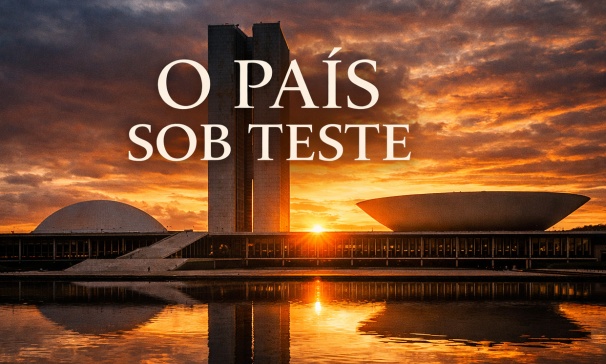
Há perguntas que não nos deixam dormir. Não porque sejam insolúveis, mas porque são honestas. Uma delas me acompanhou ao longo de todo o fim de semana: o que será do nosso País neste ano eleitoral?
Não nasceu de um discurso inflamado nem de uma manchete alarmista. Surgiu numa conversa serena, dessas em que se fala com liberdade e se escuta com respeito. Talvez por isso tenha adquirido peso. Quando a pergunta vem envolta em confiança, ela nos obriga a pensar com responsabilidade.
Sou otimista por natureza. Mas sou jornalista e historiador por formação. E essa combinação me impede de analisar o presente como quem comenta um jogo. O passado ensina que fatos importam, que indicadores revelam tendências e que instituições sobrevivem pelo grau de confiança que inspiram. Países que preferem narrativas confortáveis à realidade documentada acabam enfrentando ajustes mais duros adiante.
O cenário internacional mostra mudanças eleitorais significativas. Em diferentes regiões, governos estabelecidos sofreram desgaste nas urnas. Discursos centrados em segurança pública, responsabilidade fiscal e combate à corrupção ganharam espaço. O eleitor contemporâneo, pressionado por inflação persistente, instabilidade econômica e insegurança urbana, tem reagido com pragmatismo. A retórica que não se converte em resultado perde sustentação.
O Brasil não está isolado desse movimento. O país registrou recentemente seu pior desempenho no Índice de Percepção da Corrupção desde o início da série histórica em 2012. O indicador não acusa indivíduos, mas mede confiança institucional. E confiança é o alicerce invisível da governabilidade.
Investigações e denúncias envolvendo recursos públicos continuam a ocupar espaço central na agenda nacional, inclusive com acusações formais apresentadas pelo Ministério Público em casos ligados a fundos de grandes empresas estatais. O devido processo legal seguirá seu curso, como deve ocorrer em qualquer Estado democrático. O fato é que a integridade pública permanece sob exame constante.
O ambiente institucional também produziu episódios de repercussão internacional. Anúncios de sanções por parte de governo estrangeiro contra integrante do Judiciário brasileiro projetaram debates internos para o plano diplomático. Independentemente das interpretações, o episódio ampliou o escrutínio externo sobre nossas instituições. Quando a política doméstica atravessa fronteiras, a percepção externa passa a integrar o cálculo interno.
Nada disso determina automaticamente o futuro. Democracia não é destino mecânico. É método. E método depende de eleições íntegras, instituições respeitadas e imprensa vigilante.
Mas os sinais indicam que a sustentação de governos associados a baixa confiança institucional, tensão recorrente entre Poderes e desempenho econômico aquém das expectativas tende a se fragilizar com o tempo.
O desafio brasileiro não está nos rótulos ideológicos. Está na credibilidade. Está na capacidade de restaurar confiança, alinhar discurso e prática e reafirmar que o poder é mandato temporário, não patrimônio.
Sou otimista, sim. Mas meu otimismo não é ingênuo. Ele nasce da convicção de que sociedades amadurecem quando confrontadas com seus próprios limites. Se o País compreender que confiança não se impõe, se constrói, então este ano eleitoral poderá representar mais que alternância. Poderá representar maturidade democrática.
E maturidade, seja numa nação ou numa conversa sincera, começa sempre com a coragem de olhar os fatos de frente
A Nation Under Test
There are questions that do not let us sleep. Not because they are unsolvable, but because they are honest. One such question followed me throughout the weekend: what will become of our country in this election year?
It did not arise from a fiery speech or an alarming headline. It emerged from a calm conversation, the kind in which people speak freely and listen with respect. Perhaps that is why it carried weight. When a question is born in trust, it demands responsibility.
I am optimistic by nature. But I am also a journalist and a historian by training. That combination prevents me from treating the present as a sporting event. History teaches that facts matter, that indicators reveal trends, and that institutions survive by the level of trust they inspire. Nations that prefer comfortable narratives over documented reality eventually face harsher corrections.
The international landscape shows significant electoral shifts. Across different regions, incumbent governments have suffered setbacks. Messages centered on public safety, fiscal responsibility, and anti-corruption have gained ground. Voters pressured by persistent inflation, economic instability, and urban insecurity have responded pragmatically. Rhetoric that fails to produce tangible results loses credibility.
Brazil is not isolated from this movement. The country recently recorded its lowest performance in the Corruption Perceptions Index since the beginning of the series in 2012. The index does not indict individuals, but it measures institutional trust. And trust is the invisible foundation of governance.
Investigations and formal charges involving public funds continue to occupy a central place in the national agenda, including cases linked to major state-controlled corporate funds. Due process will unfold as required in any democratic system. The fact remains that public integrity continues to be under scrutiny.
Institutional tensions have also drawn international attention. Recent sanctions announced by a foreign government against a member of Brazil’s judiciary projected internal debates onto the diplomatic stage. Regardless of political interpretation, the episode increased external scrutiny of the country’s institutional environment. When domestic politics crosses borders, international perception becomes part of the equation.
None of this mechanically determines the future. Democracy is not an automatic outcome. It is a method. And that method depends on clean elections, respected institutions, and a vigilant press.
Yet the signs suggest that governments associated with declining institutional trust, recurring tension among branches of power, and underperforming economic indicators tend to face mounting fragility over time.
Brazil’s challenge is not ideological labeling. It is credibility. It is the ability to restore trust, align words with actions, and reaffirm that power is a temporary mandate, not possession.
I am optimistic, yes. But my optimism is not naïve. It stems from the conviction that societies mature when confronted with their own limits. If the country understands that trust is not imposed but built, this election year may represent more than alternation. It may represent democratic maturity.
And maturity, whether in a nation or in an honest conversation, always begins with the courage to face the facts.

